Lectures are held in the Sixth Form Lecture Theatre, James Allen's Girls' School (off Green Dale, London SE22 8TX) at 7.30 for 8.00pm, and also on MS Teams. The Sixth Form Centre has its own parking off Green Dale. See the Where We Meet page for directions. Click below to download the lecture programme. To join the society go to the Membership page and download the membership form. Guests are always welcome at £10 per lecture cash or card at the door (£5 for the Under 30s).
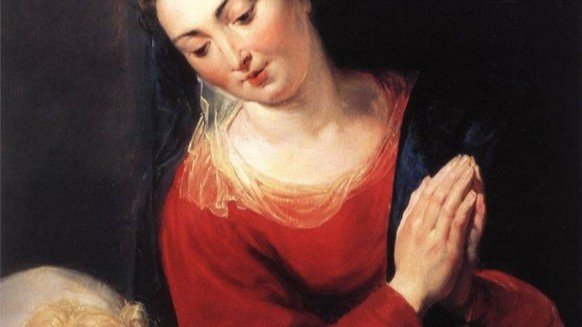
Recognise the Artist
- Date: Thursday 12 November 2026, 8.00pm
- Lecturer: Chantal Brotherton-Ratcliffe
When we receive a letter or a Christmas card, we often recognise the handwriting without even opening the envelope. Identifying the hand of an artist can be like that – an instant certainty that the painting must be by Rubens, El Greco or Rembrandt. Yet if you try to explain to someone else how you know that your letter is from that person, or what it is in their handwriting that is so distinctive, you would probably struggle to put it into words.
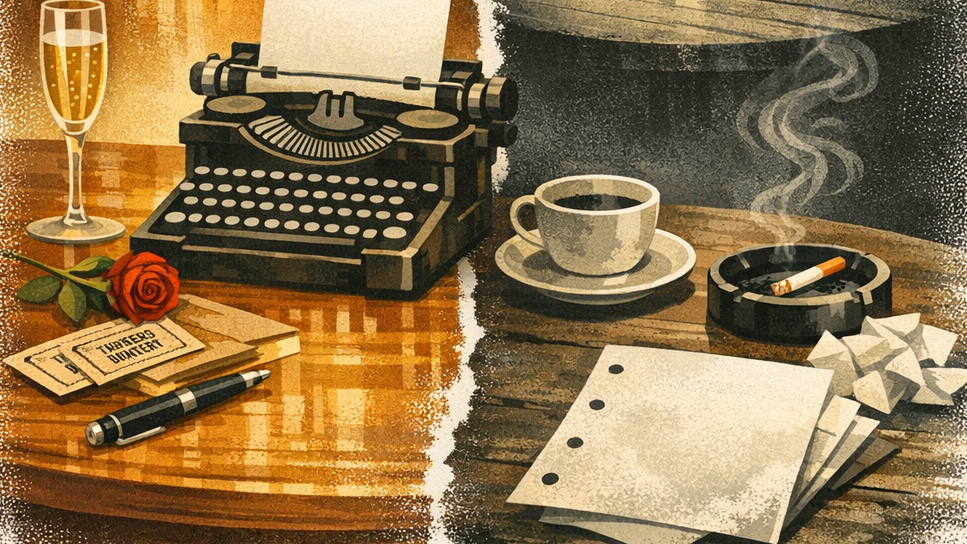
20th Century: from Rattigan to Pinter
- Date: Thursday 10 December 2026, 8.00pm
- Lecturer: Giles Ramsay
One of the highest-paid and most successful writers of his day, Terence Rattigan (along with Noel Coward) was to fall out of favour in the 1950s with the rise of the Angry Young Men such as John Osborne, Harold Pinter and Joe Orton. This lecture examines the stark contrast between pre- and post-war British theatre and how in the twentieth century, we can reassess which playwrights have really stood the test of time.
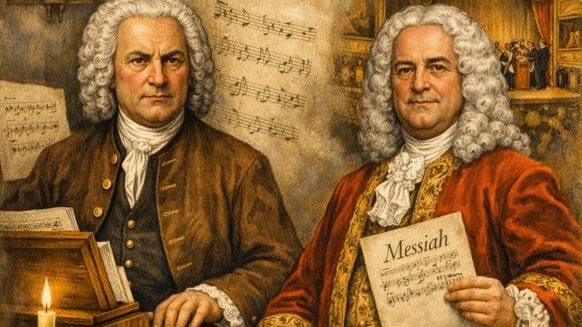
Bach and Handel: Separated at Birth
- Date: Thursday 14 January 2027, 8.00pm
- Lecturer: Patrick Craig
1685 was an extraordinary year for music. Two of the world’s greatest composers were born 130km and just one month apart. Much of their childhood development mirrored the other – including the tragedy of losing their fathers at the age of ten. Their careers took very different directions and they never met, despite several near misses. Patrick Craig will reunite these two giants, tracking their lives across six decades, with a special focus on their vocal music which has inspired his career as both a countertenor and a conductor.
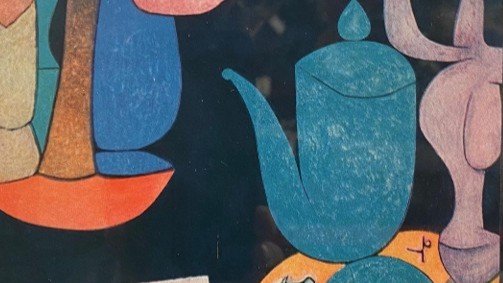
Paul Klee: the Expressionist who Described his Illness in his Art
- Date: Thursday 11 February 2027, 8.00pm
- Lecturer: Alan Silman
This is a unique and moving story for any artist. In this lecture Alan Silman will review the life and works of Paul Klee and the impact of his unfortunate illness. The talk will show Klee as a poet, a writer, an accomplished musician and a teacher, as well as being one of the most prolific artists of the twentieth century. His work covered several '-isms' of post First World War German art. He also had a wicked sense of humour in his caricatures. Shortly after escaping from Nazi Germany, as one of the so-called 'degenerate artists', Klee developed the rare auto-immune disorder, scleroderma. This disease has been the subject of much of Alan Silman's research career.
Nabataens and the Rose Red City of Petra
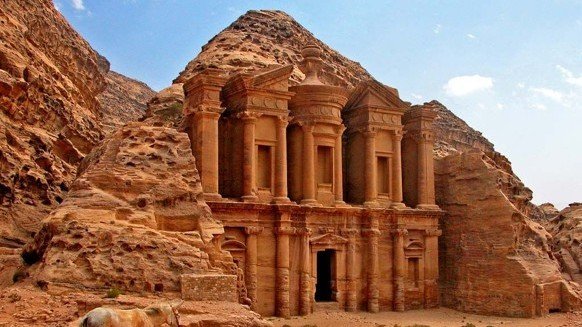
- Date: Sunday 24 March 2030, 12.00am
- Lecturer: Eileen Goulding
Who were the Nabataeans who suddenly appeared in history, and what was it that allowed these men from the desert to profit so richly from the trade routes? Based in the wonderful city of Petra which they built, their trade network spread far and wide - why did it then disappear? In this lecture Eileen Goulding will give some of the answers and take a close look at the famous Rose Red City.
Friend, Foe or Alter Ego? Man and Animals in Art
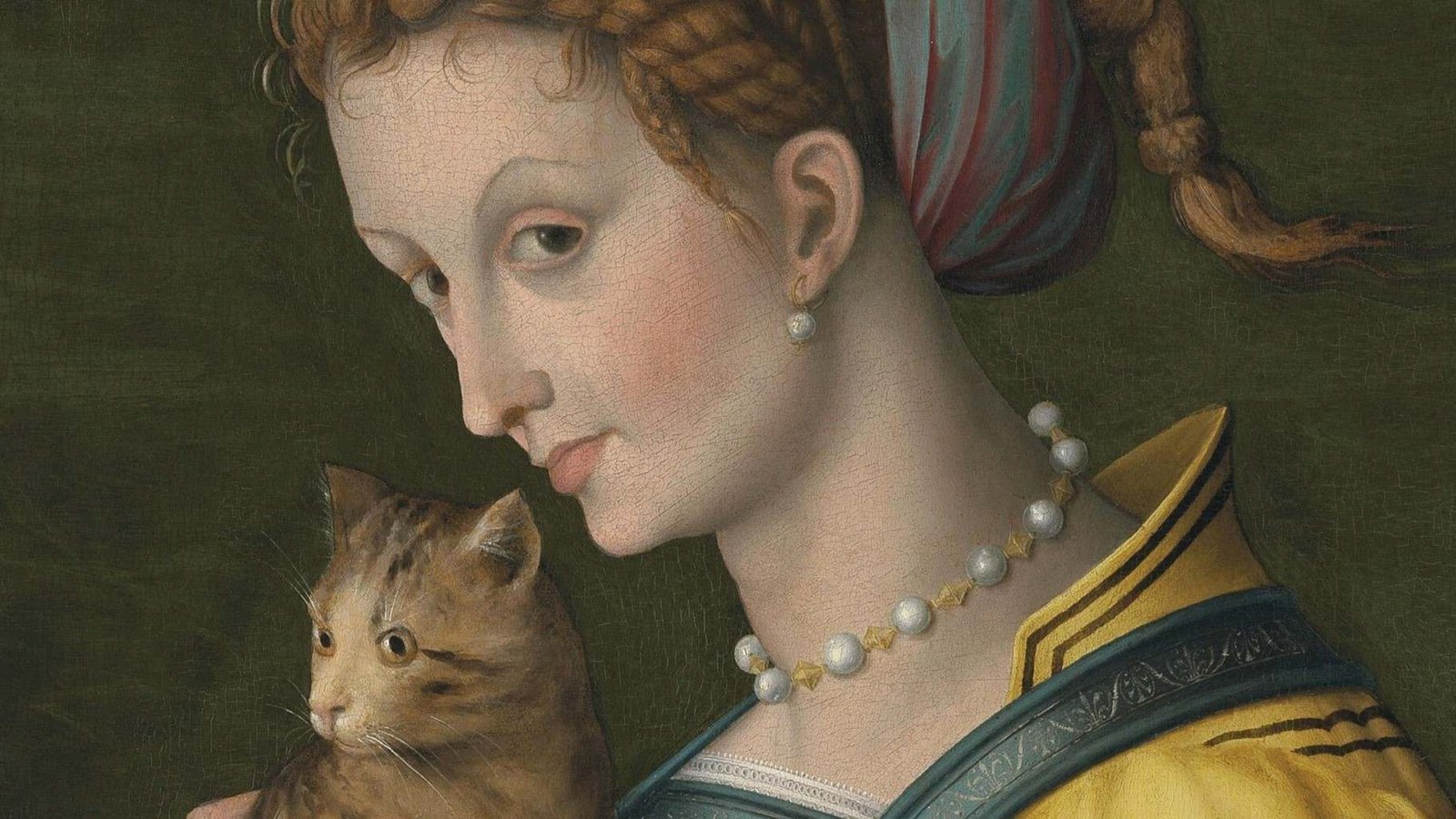
- Date: Thursday 8 April 2027, 8.00pm
- Lecturer: Susie Harries
How we should look at animals is one of the eternal questions that intrigues artists. Are they our friends or servants? Should they be depicted for their beauty, or for the credit they reflect on their owners? Or are they brute beasts, represented to remind us of the threat they may pose? Most importantly, are they really so different from us?
Portraits of London: Ten Leading Artists Interpret the City through Two Centuries
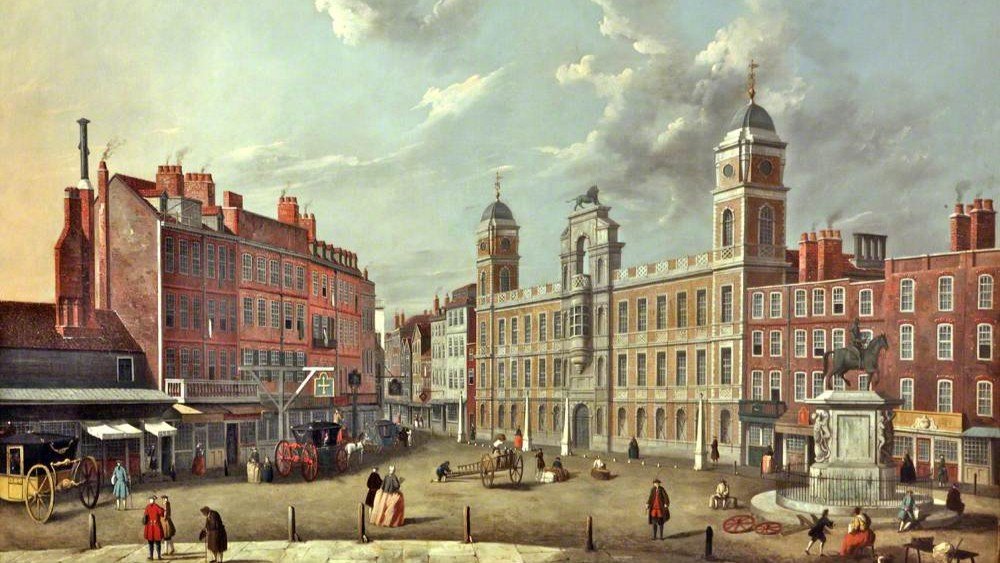
- Date: Thursday 13 May 2027, 8.00pm
- Lecturer: Charlie Forman
London - a city that has dazzled, enchanted, unsettled, appalled. How did it motivate the great artists who lived and worked there? How do their paintings enrich our understanding of the city? Picking five periods between 1750 and 1920 and five pairs of artists, this lecture compares and construes their take on the city. Hogarth and Canaletto had studios a few minutes walk from each other, but their takes on London were unrecognizably different. While Constable looked down on a dim city under a lowering sky from his Hampstead eyrie, Turner’s rare artistic incursions are ablaze with light.
El Greco
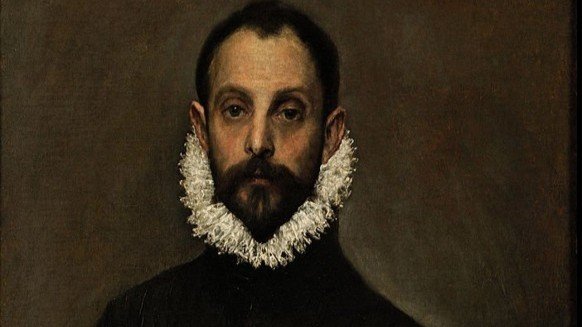
- Date: Thursday 10 June 2027, 8.00pm
- Lecturer: Imogen Corrigan
Domenikos Theotokopoulos, known as The Greek (El Greco), became one of Spain’s most successful Mannerist painters. Born on Crete and starting out as icon painter, he went to Italy and then Spain where he remained, staunchly Greek and a foreigner, until he died in Toledo aged 73 in 1614. Despite professional success, he was a poor manager: constantly in debt and a regular participant in lawsuits. Some have criticised his work, wondering if he was actually insane or had an eye disorder. Others have been unable to resist the intense spirituality of line, his towering, flame-like figures and jewel-like colours.
Monopoly
- Date: Thursday 15 July 2027, 8.00pm
- Lecturer: Roger Mendham
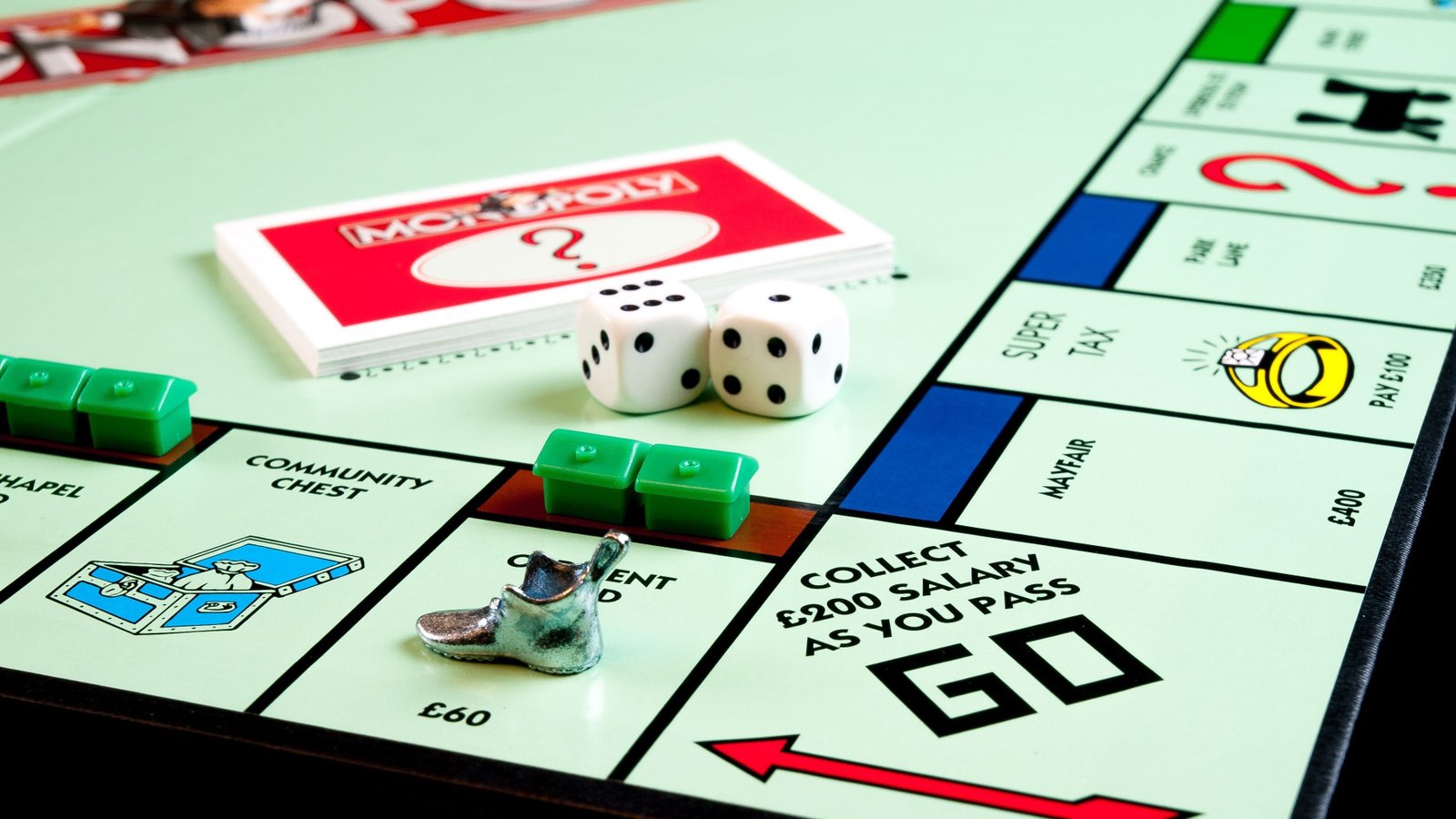
Almost everyone has played Monopoly at some time. It is one of the world’s most popular and enduring board games. But how well do we really know it? This talk starts with the original Landlord’s Game of 1903 and its evolution into the game today. Based on the classic 1936 London version, we take a photographic journey around the locations on that Monopoly board. Expect some surprises as we explore the relationships between the various properties, look at the ones that don’t actually exist and uncover the story behind the game we know so well - or do we?